Garage door spring replacement matters most once your torsion spring nears the end of its rated life. Homeowners across San Diego often ask how long springs actually last in daily use. The honest answer depends on cycles, not years. This guide covers what shortens spring life, key warning signs, and why timely replacement protects your home, your vehicle, and your family. You will also learn how climate and usage patterns affect springs differently across San Diego County.
Garage Door Spring Replacement: Cycles vs. Years
Garage door spring replacement depends on cycles, not calendar years alone. A cycle counts one full open-and-close motion, so a standard torsion spring is typically rated for about 10,000 cycles. If you open your garage door three to four times daily, that spring lasts roughly seven to nine years. However, high-cycle springs rated for 20,000 to 30,000 cycles can stretch that lifespan well beyond a decade. Technicians measure remaining life by checking coil gaps, rust, and overall tension during an inspection, not simply by counting years since installation.
Think of cycles like mileage on a car engine, not the odometer's calendar date. Two identical springs installed the same week can wear out at very different times because usage varies. Therefore, a family opening the garage six times daily burns through cycles faster than one using it twice. As a result, cycle rating matters more than the spring's installation date when predicting failure. Because usage patterns differ so much between households, San Diego homeowners should track door cycles, especially if a home business or teen driver adds extra daily trips.
What Shortens Spring Life in San Diego Homes
Several factors shorten a spring's lifespan faster than normal wear alone. Climate, usage habits, and spring sizing all play a role. In addition, San Diego's coastal humidity and inland heat create different stresses on the coil and its mounting hardware. Poor lubrication also speeds up metal fatigue, because dry coils rub and bind with every cycle. Cold weather stiffens coils in other regions, but San Diego's mild winters rarely add this extra strain.
- Frequent daily use, especially in homes with multiple drivers
- Rust from coastal moisture or sprinkler overspray near the door
- Skipped lubrication and delayed garage door tune-up and maintenance
- Wrong-size springs installed during a prior repair
- Running on a single spring instead of a matched pair
Inland neighborhoods like El Cajon see hotter, drier air that dries out lubricant and stiffens coil tension. That is why homeowners searching for garage door service in El Cajon often ask about spring longevity in dry heat. Meanwhile, coastal San Diego homeowners deal more with rust than heat. Either way, routine inspection catches problems before a spring fails at the worst possible moment. Homeowners near the coast should still watch for salt-air corrosion on brackets and hardware.
Garage Door Spring Replacement Warning Signs
A failing spring rarely gives you much notice before it breaks. A few signs usually appear beforehand if you know what to watch. Pay attention to how the door sounds, moves, and balances each time you use it. If you notice any of these signs, schedule garage door spring replacement before the spring fails completely. Ignoring these clues often leads to a sudden, complete break at an inconvenient time.
- The door feels heavy or resists manual lifting
- You hear a loud bang, often the spring snapping
- The door hangs crooked or one side droops lower
- Visible gaps appear in the coil when the door closes
- The opener strains or reverses unexpectedly during operation
Because a spring under tension can cause serious injury, never attempt this repair yourself. Instead, call a licensed technician who carries the right tools and training. For guidance on safe handling, the U.S. Consumer Product Safety Commission publishes safety information on garage door hazards. So, leave tensioned components to trained professionals every time. This precaution protects you and keeps your home's opener system running safely for years.
Why Replace Both Springs Together
Replacing only one spring almost always causes problems down the road. Springs installed as a pair wear at similar rates, so mismatched tension strains the newer spring and the opener. For example, a five-year-old spring paired with a brand-new spring creates uneven lift on each side of the door. This imbalance can damage the opener or bend the track over time. Because both springs share the workload, an unequal pair rarely lasts as long as expected.
Most double-spring systems also share the door's weight evenly between both coils. So, one weak spring forces its partner to work harder than intended. This shortens the healthy spring's life and increases the odds of a second failure soon after the first. Professional installers recommend replacing both springs during any garage door spring repair, even if only one has actually broken. This small extra cost upfront often saves a second service call later.
Torsion Springs and Cycle Ratings Explained
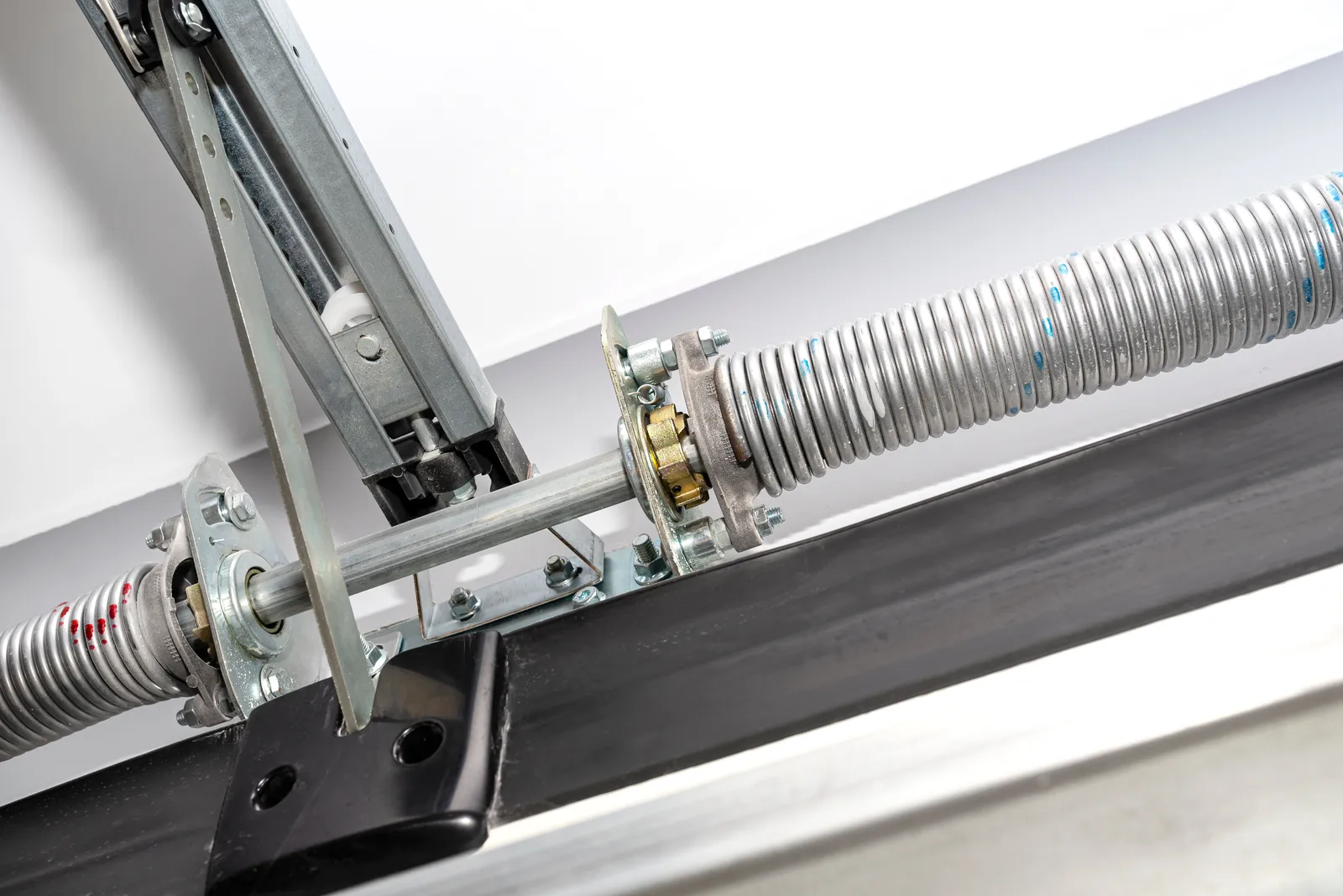
Torsion springs mount above the door and twist to store lifting energy. Extension springs stretch alongside the horizontal tracks instead. Torsion springs generally last longer and lift more evenly, which is why most modern garage doors use them. Manufacturers stamp a cycle rating directly onto the spring, so technicians can check remaining life during an inspection. This rating, combined with your daily usage count, gives a realistic estimate of remaining service life.
Upgrading to a high-cycle spring costs more upfront, but it pays off for households that open the garage many times a day. For example, a family running two vehicles and a home business may benefit most. Standard-cycle springs remain a smart, budget-friendly choice for typical daily use. Both options perform well when sized correctly and installed by a trained technician. Both also benefit from periodic lubrication, which keeps the coil moving freely under load.
Extending Spring Life With Routine Maintenance
Routine maintenance extends spring life more than any single repair can. Lubricating the coils twice a year reduces friction and slows metal fatigue. In addition, tightening loose hardware keeps the door balanced and prevents extra strain on the springs. A quick visual check each season catches rust or gaps early, before they become bigger problems. Most manufacturers recommend a lubrication check every six months for best results.
Because balance affects tension, an unbalanced door forces springs to work harder than designed. Homeowners who schedule regular professional checkups typically see longer spring life. This proactive approach costs less than emergency repairs and protects your opener from unnecessary wear. Simple habits, done consistently, keep your garage door running smoothly for years. It also reduces noise, which many homeowners notice right away.
Choosing a Team You Can Trust for Garage Door Spring Replacement
Door & Roll Garage Door has served San Diego County as a family-operated, licensed and insured company. We answer calls 24/7 and offer same-day service for broken springs, because a stuck door disrupts your entire day. Our upfront pricing means you know the cost before work begins, and every repair carries a workmanship warranty. Our technicians know the correct torque specs for LiftMaster, Chamberlain, and every brand we service. We also stock parts for most major brands on our service trucks.
With a 4.9-star rating across 595 reviews, local homeowners consistently trust our technicians for spring work on LiftMaster, Chamberlain, Genie, Clopay, Amarr, Wayne Dalton, Raynor, and CHI doors. Learn more about our team on the About page, or visit our Door & Roll Garage Door home page for a full list of services. When your spring shows warning signs, do not wait for complete failure. Every visit follows the same transparent, upfront pricing model.
Instead, request a free quote and let our technicians handle garage door spring replacement safely and quickly. Timely, professional replacement protects your opener, your vehicle, and your family from a dangerous, sudden failure.